Why No Ingredients Are Listed
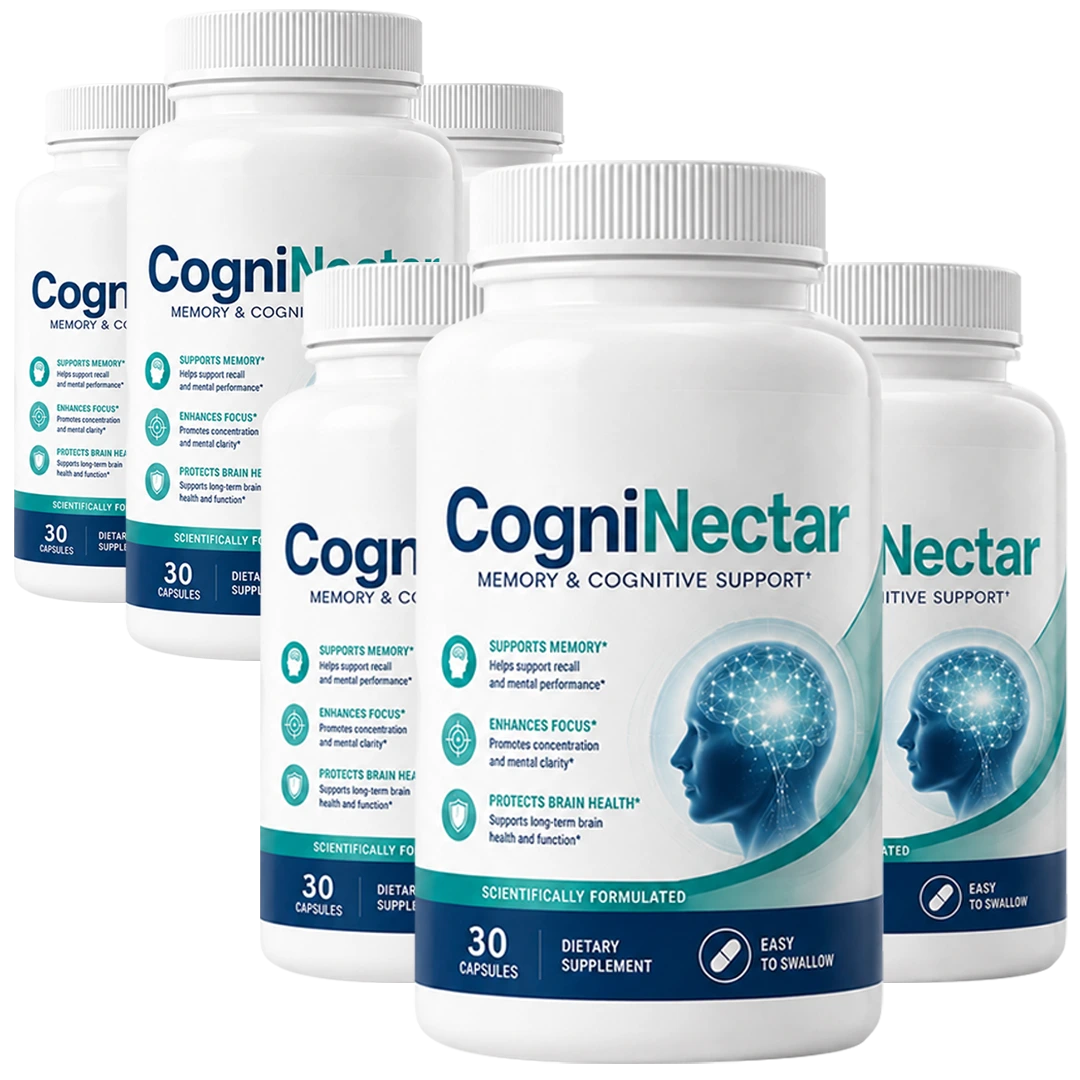
CogniNectar markets itself as a science-inspired blend of nootropic nutrients and botanicals, but we could not find a complete ingredient list anywhere in its materials.
Here's what that gap means for evaluating this product, and why a long reference list doesn't change our conclusion.
What a Supplement Facts panel is supposed to show
A complete Supplement Facts panel names every active ingredient and states its per-serving amount, letting buyers compare a product's actual dosing to published research on each compound.
What we found (and didn't find) for CogniNectar
We found serving directions (1 capsule daily with water) and bottle count (30 capsules) disclosed clearly. We did not find a single named active ingredient or its amount, despite the brand's marketing describing a “synergistic blend of nootropic botanicals and brain-supporting nutrients.”
Doesn't the reference list count as disclosure?
No. A list of scientific references about general nutrition topics is not the same as a Supplement Facts panel — and in CogniNectar's case, we found reason to doubt the reference list itself. See our full piece on the reference list problem.
What this means if you're considering CogniNectar
Without a published panel, you cannot check whether the formula contains anything you're allergic to, anything that might interact with a medication you take, or whether its claimed benefits are backed by ingredients at meaningful doses. If a fully-dosed ingredient list matters to your decision, we'd recommend asking the brand directly before ordering a larger bundle.
Applying this to CogniNectar
See our full disclosure gap breakdown for the complete picture, and our 90-day review for how this weighs against the product overall.